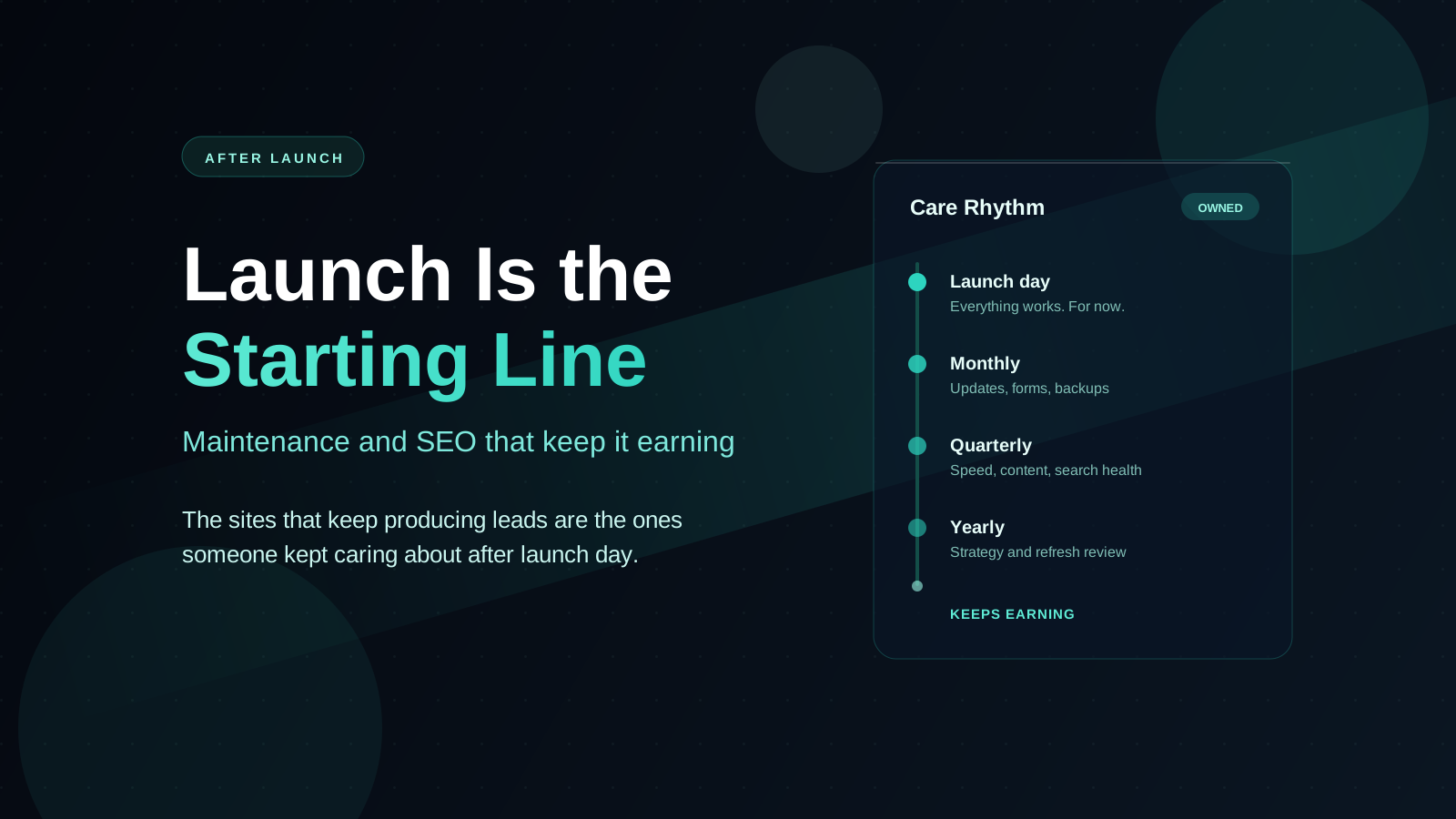
There is a moment right after a website launches when everything feels finished. The design looks sharp, the pages load fast, and everyone involved is ready to move on.
Then six months pass.
The plugin stack is out of date. A form quietly stopped sending notifications. Google reindexed a competitor's new service pages while yours stayed frozen in launch-day condition. Traffic is flat, and nobody noticed because nobody was looking.
None of that means the site was built badly. It means the site was treated like a project instead of an asset.
Here is what actually happens to websites after launch, and the care rhythm that keeps them working.
Websites Decay Even When Nobody Touches Them
This surprises a lot of owners. If nothing changed, why would anything break?
Because the environment around your site never stops changing:
- Browsers and phones update, and old code paths start behaving differently
- Frameworks, plugins, and dependencies publish security patches
- Third-party services change their APIs, pricing, or embed behavior
- Google adjusts what it rewards in search results
- Competitors publish new content that pushes yours down
A website is less like a printed brochure and more like a car. You can skip oil changes for a while, and it will seem fine. The bill just arrives later, and it is bigger.
The Two Kinds of Post-Launch Work
Post-launch work splits into two buckets, and they solve different problems.
Maintenance protects what you built
This is the defensive work:
- Software and dependency updates
- Security monitoring and backups
- Uptime and form-delivery checks
- Speed checks as content gets added
- Fixing small breakages before customers hit them
Maintenance does not grow traffic. It prevents the quiet failures that cost you leads without telling you.
SEO grows what you built
This is the offensive work:
- Publishing content that answers what your customers search for
- Keeping service pages current and expanding them over time
- Earning and managing reviews
- Watching which pages actually produce leads and improving them
- Keeping titles, descriptions, and structured data healthy
A site that launches and never changes sends Google a clear signal: nothing new here. Sites that update regularly and answer real questions keep earning visibility.
What Neglect Actually Costs
The failure mode is rarely dramatic. It looks like this:
- A contact form breaks during a plugin update. Nobody notices for five weeks.
- Page speed slowly degrades as uncompressed photos get uploaded.
- Rankings slip a position or two each quarter as competitors publish.
- A browser update breaks the mobile menu for a third of your visitors.
Each item on its own is small. Together, they can quietly cut lead flow in half — and because it happens gradually, it never feels like an emergency until the numbers are compared year over year.
A Realistic Care Rhythm
You do not need a full-time person. You need a rhythm.
Monthly (about an hour)
- Run updates and confirm the site still works afterward
- Submit a test lead through every form
- Check that backups are actually completing
- Glance at analytics: traffic, top pages, and lead count
Quarterly (an afternoon)
- Review speed on the pages that matter most
- Refresh at least one service page with new details, photos, or FAQs
- Check Google Search Console for errors and declining queries
- Review what competitors have published
Ongoing
- Publish something useful when you have something worth saying — a consistent monthly post beats a burst of six followed by silence
- Ask happy customers for reviews while the job is fresh
Do It Yourself or Pay Someone?
Both are legitimate. The honest trade-off:
DIY works if you will actually do it. The tasks are not hard. The failure point is consistency — maintenance is the easiest thing in the world to skip when business gets busy.
A care plan works if your time is worth more elsewhere. Orion Care includes hosting, uptime monitoring, and a monthly health summary for sites we build. Growth adds daily database backups and time for requested edits. You are paying for someone to keep an eye on the site and handle the work your plan covers.
The wrong answer is the default one: nobody owns it, and everyone assumes the site is fine because it looks fine.
Final Thought
The websites that keep producing leads year after year are almost never the ones with the biggest launch budgets. They are the ones someone kept caring about after launch day.
Decide who owns the care rhythm before you need it. Your future self, staring at a broken form and a flat traffic chart, will thank you.